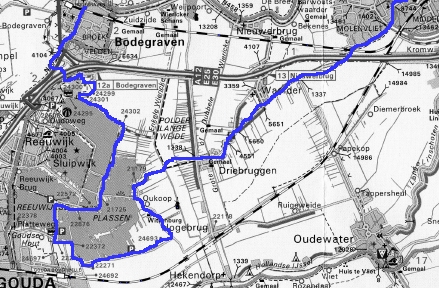
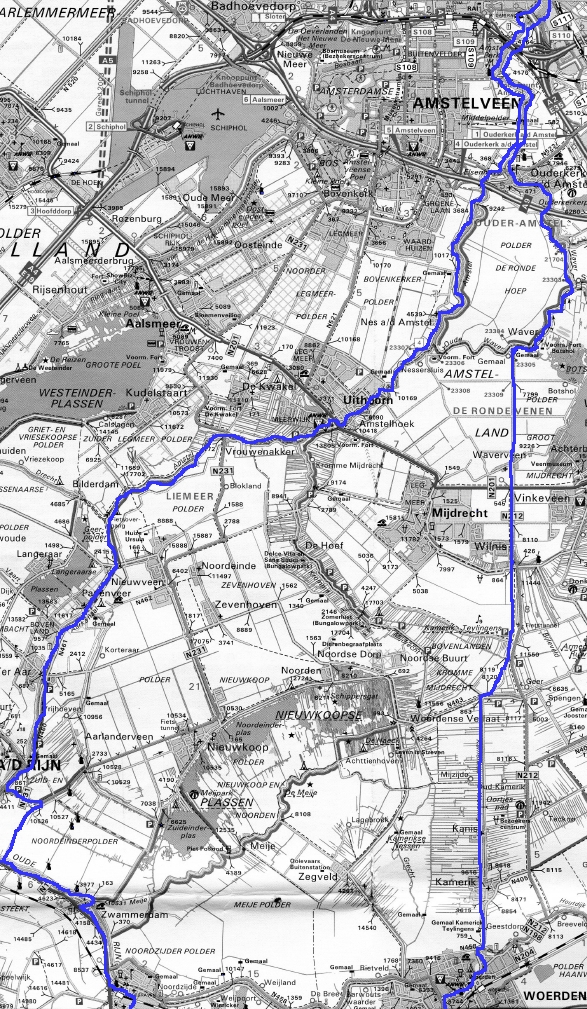
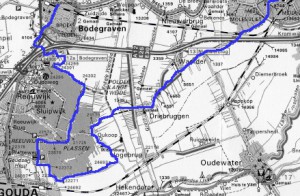
Tweede Paasdag, harde zuidwestenwind, best koud, bewolkt, maar de verwachte regen bleef beperkt tot drie sputters. De eerste helft knap lastig, daarna hard rijden op het grote blad.
Marcusstraat – Amstel – Uithoorn – Vrouwenakker – Papenveer – Aarkanaal – Zwammerdam – Bodegraven – Reeuwijkse Plassen – Driebruggen – Woerden – Kamerik – Wilnis – Waver – Ouderkerk – Amstel – Marcusstraat
A few things I’ve been checking out:
Graham Harman’s : The Prince of Networks, Bruno Latour and Metaphysics; Bernhard Stiegler’s Technics and Time (difficult to read); a short list of Simondon’s terminology at Fractal Ontology; and different text-editors for Mac, after reading Jacket’s styleguide, or spot-on long explanation of what the f— it means to edit a text in these times.
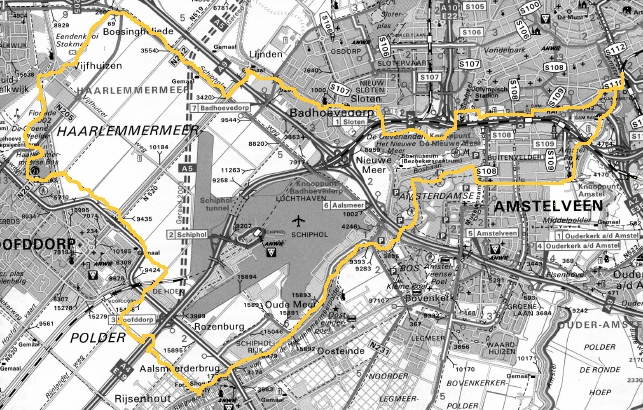
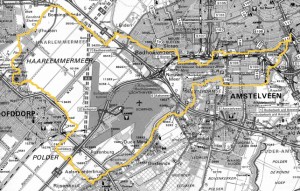
Zondagmiddag. Rondje om Schiphol. Flinke zuidwestenwind, grijs bewolkt, beetje zon aan het einde van de rit. Blij dat de rit er op het kaartje goed en logisch uitziet, in praktijk blijft het toch behelpen, sommige stukjes ringvaart zijn best leuk, de Geniedijk en de Groene Weelde zeker, maar verder zijn er te veel stukjes die niet mooi zijn en het wordt steeds verder dichtgebouwd. Van Aalsmeerderbrug via het Amsterdamse Bos terug is dan ook het fijnste deel van deze route.
Marcusstraat – Zuid – Beatrixpark – Oeverlanden – Sloten – Lijnden – Boesingheliede – Vijfhuizen – Groene Weelde – Geniedijk – fietspad om Hoofddorp – Geniedijk – Aalsmeerderbrug – ringvaart – Amsterdamse Bos – Kalfjeslaan – Amstel – Marcusstraat
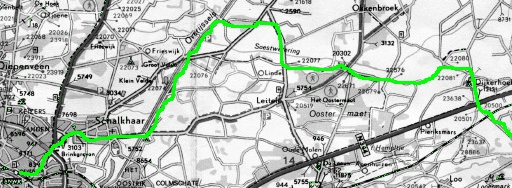
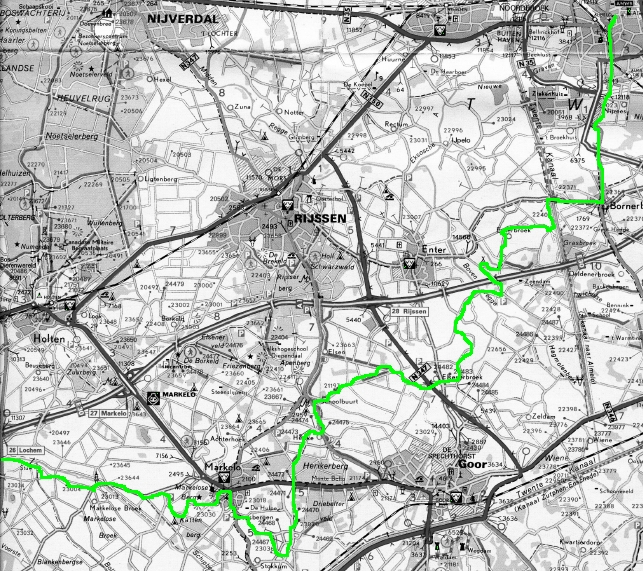
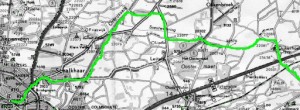
Deventer – Almelo met een omweg; mn ouders bezoeken. 12.15 – 15.00. Grijs bewolkt, stukken kouder, een miezerbui en een klein beetje zon. Zuidwestenwind in de rug. Lekker gereden.
Deventer – Schalkhaar – Overijssels kanaal – Oostermaat – Dijkerhoek – De Wippert – Markelose Berg – Herikerberg – Schoolbuurt – Elsenerbroek – Enterbroek – Bornerbroek – Almelo
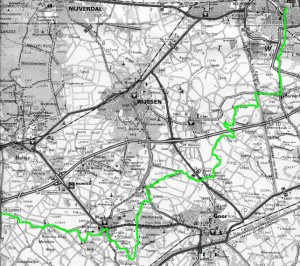
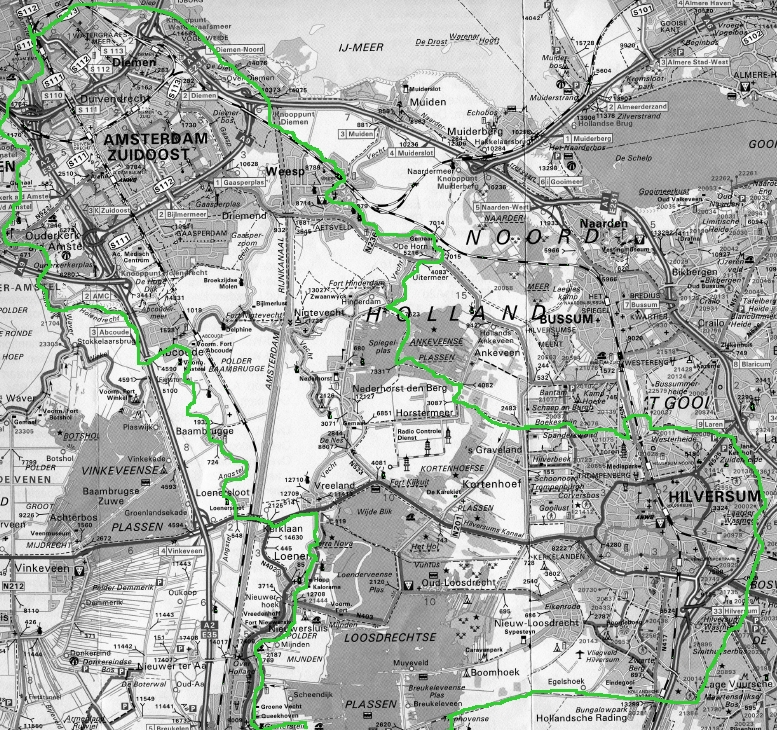
Lenteweer. Kortebroekenweer. 18 graden, sluierbewolking, zon en zuidenwind. 13.45 – 17.45. Vier uur gereden, dat zal dan wel ongeveer 100 kilometer zijn.
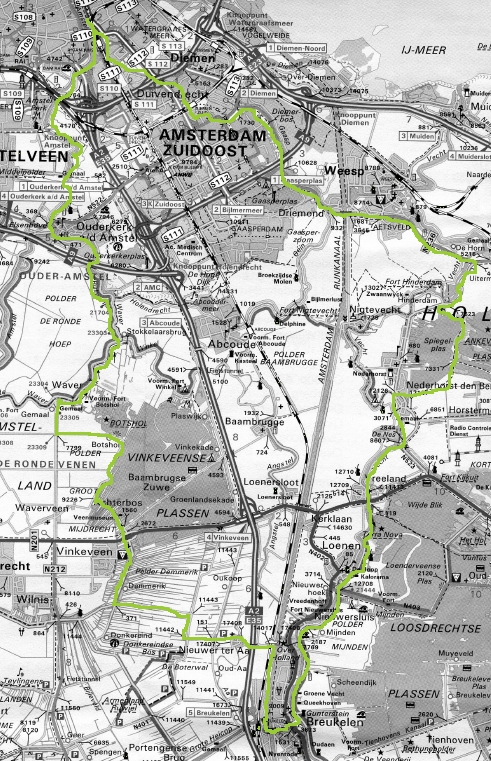
Marcusstraat – Amstel – Holdendrecht – Abcoude – Baambrugge – Loenen – Gunterstein – Tienhoven – Egelshoek – Hollandsche Rading – St. Janskerkhof – Spanderswoud – Ankeveense Plassen – Googpad – Uitermeer – Weesp – kanaal – Marcusstraat
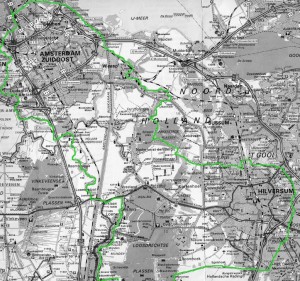
Just back from a presentation at Mediamatic for the Sur Place exhibition. Wow, did I ever see so many beautiful fixies together? I was ‘out of tune’ – I knew I would be –, but that’s why I brought my Ger and wore my Campagnolo shirt. I did an improvised talk on the Giro d’Italia and the early history of bike races. Completely forgot to play Stars and Watercarriers and/or The Impossible Hour in the background.
Met nice people, passionate about bikes – as I am, as for instance Alexis, who keeps a blog on bikes at amsterdambicyclecollective.
Wisselde werkdagen (normaal ben ik op dinsdag in Rotterdam) en al moest ik ook werken (thuis) kon ik het in de middag niet laten om een tochtje te maken. Het was schitterend lenteweer, zon, zuidenwind, 14 graden, nog een beetje kou in de lucht en net geen strakblauwe hemel. Voor het eerst sinds oktober weer op de Ger. Eindelijk. 78 kilometers in 3.10.
Marcusstraat – Amstel – Ronde Hoep – Wilnis – Woerdense Verlaat – Meije – Nieuwkoopse Plassen – Nieuwkoop – Noorden – De Hoef – Amstelhoek – Ronde Hoep – Amstel – Marcusstraat

Zonnetje, flinke noordenwind. Mooi fietsweer. 11.30 – 14.15. Rustig gereden (geen macht).
Marcusstraat – Weespertrekvaart – Bijlmer – Driemond – Weesp – Googpad – Vreeland – Loenen – Breukelen – kanaal – Nieuwer ter Aar – Vinkeveen – Botshol – Ronde Hoep – Ouderkerk – Amstel – Marcusstraat
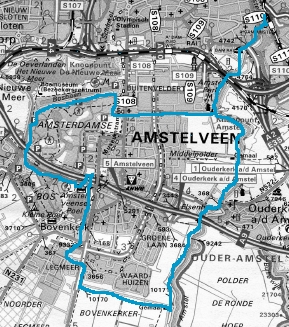
Il Primavera, de dag van Milaan-San Remo, grijs en regenbuien, niet koud (15 graden). Kon pas tegen vijf uur weg voor een rondje. Ik had graag een paar uur willen rijden, maar de regenbuien waren soms hevig en waarschijnijk was het niet verstandig geweest (ik was een paar dagen niet lekker).
Marcusstraat – Amstel – Nesserlaan – De Poel – Amsterdamse Bos – bosbaan – Kalfjeslaan – Amstel – Marcusstraat
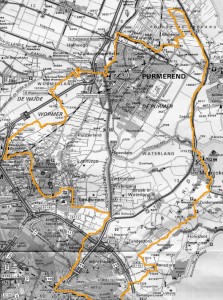
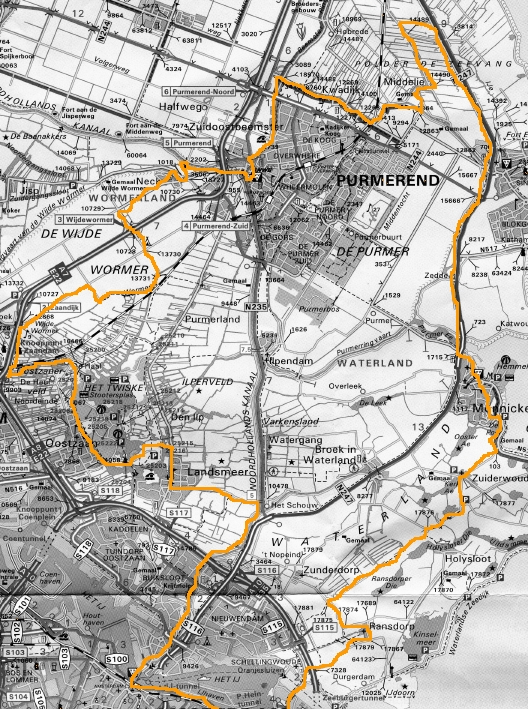
12.00 – 15.45. Grijs bewolkt, lichte regen, harde noordwestenwind, en aan het einde een heel voorzichtig zonnetje. Handschoenenweer, nog steeds. Flink werken tegen de wind in, verder heerlijk fietsen. Aan het einde even kijken bij de Noorderparkkamer waar F. een workshop gaf. Het rondje ziet er uitgetekend best mooi uit, maar volgt niet de mooiste wegen: de route werd gedicteerd door keuzes gebaseerd op de windrichting.
Marcusstraat – Schellingwouderbrug – Ransdorp – Zuiderwoude – Monnickendam – Edam – ri. Oosthuizen – Middelie – Kwadijk – Purmerend – Neck – Wormer – ri. Zaandam – Oostzanerveld – Twiske – Landsmeer – kanaal – Noorderpark – pont – Marcusstraat