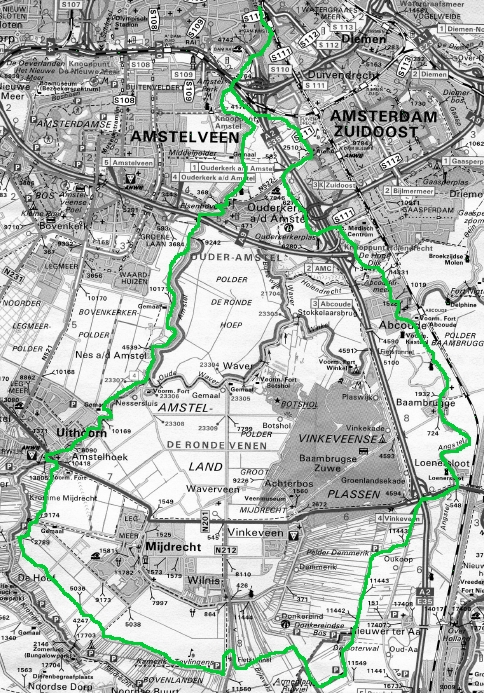
Klein rondje, weinig tijd. Even buitenlucht. Daarna op de fiets naar Westgaarde om met F. afscheid te nemen van D. Dat ritje, terug via Sloten, was langer.
Marcusstraat – Ringdijk – kanaal – Driemond – Stammerdijk – Gaasp – Diemen – Weespertrekvaart – Marcusstraat
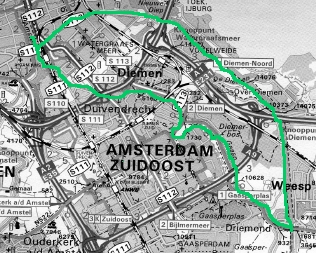
Zondagmiddagroute, met eindelijk een lang stuk door de duinen (Noordwijk – Zandvoort). Zomers. Uitstekend fietsweer – ijsje aan zee – het was wel druk.
Marcusstraat – Amstel – Nes – Uithoorn – Vrouwenakker – Bilderdam – Leimuiden – Lisserweg – ri. Sassenheim – De Kaag – Sassenheim – Noordwijk – Langevelderslag – Zandvoort – Kraantje Lek – Aerdenhout – Leyduin – Cruiquius – Geniedijk – Hoofdweg – Badhoevedorp – Amsterdamse Bos – Kalfjeslaan – Marcusstraat
Zwolle – Almelo: ik bracht een bezoek aan mn ouders // en reed met eigenlijk te weinig tijd (NS werkzaamheden) van Zwolle naar Almelo, koos niet helemaal de handigste route en keek veel te vaak op de knooppuntenroutebordjes. (Bij meer tijd had ik de Vechtdalroute willen volgen tot Ommen, of misschien zelfs verder, en dan door het veengebied naar Almelo). Bewolkt, aangenaam: een stuk frisser dan de afgelopen dagen.
Zwolle – Herfte – Marshoek – Dalfsen – Den Aalshorst – Bosrandweg – Overijssels kanaal – Lemelerveld – Overijssels kanaal – Oude Twenteseweg – Elerberg – Schuilenburg – Piksen – Hoge Hexel – Wierden – Almelo
Een rit die in mn geheugen gegrift zal blijven, omdat ik halverwege van A. het bericht hoorde dat zijn vriendin D. de nacht tevoren plots was overleden. Iets met haar hart dat niet goed was. Nu is ze er gewoon niet meer. Ik zag ‘r voor het laatst op F. verjaardag, in juni. Voor het laatst was dat. Ik ging met F. altijd even kijken naar haar etalage-galerie in het raam van het leegstaande pand naast haar huis. //
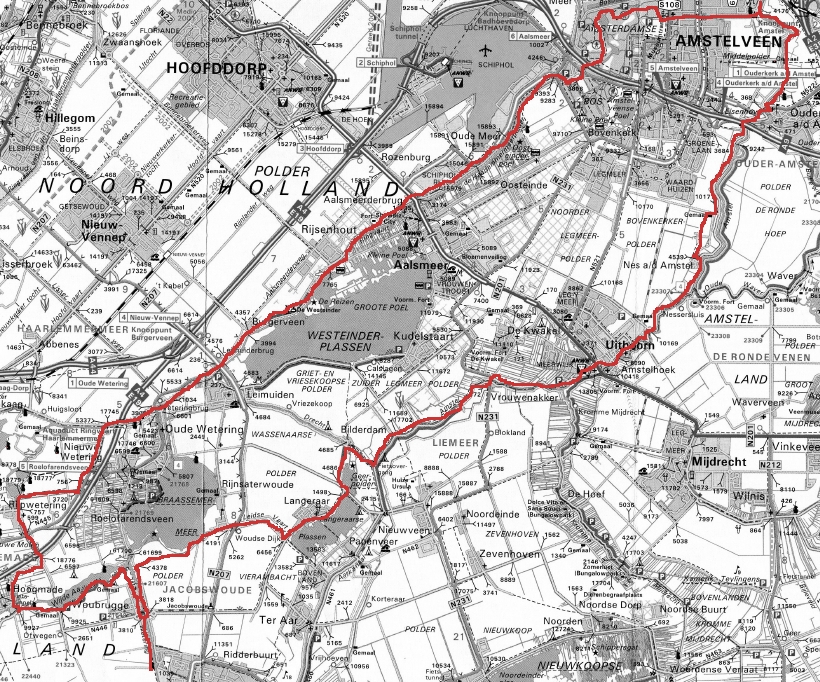
Marcusstraat – Amstel – Nes – Uithoorn – Vrouwenakker – Bilderdam – Langeraar – Rijnswaterswoude – Woubrugge – Wijde Aa – Hoogmade – Rijpwetering – Nieuwe Wetering – Westeinder plassen – Aalsmeerderbrug – Oude Meer – Amsterdamse Bos – Kalfjeslaan – Amstel – Marcusstraat
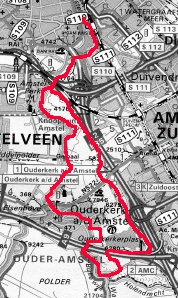
Opnieuw een avondrondje na het werk, net een uur voor het donker. Ouderkerkerplas plus een paar blokjes. Erg warm, krekels.
Marcusstraat – Ouderkerkerplas – Holendrecht – Ouderkerk – Amstel – Marcusstraat
De volle maan kwam op tegenover de ondergaande zon. Ik maakte een kort avondrondje Ouderkerkerplas bij augustuswarmte.
Marcusstraat – Ouderkerkerplas – Ouderkerk – Amstel – Marcusstraat
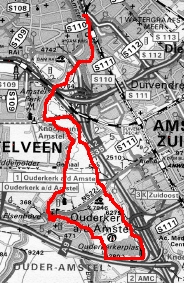
Late zomermiddag – vroege avondritje. Warm, zon. Slechte vorm.
Marcusstraat – Amstel – Ronde Hoep – Veldweg – Waverveen – Wilnis – Wilnisse Zuwe – Geerdijk – Veendijk – Uitweg van Portengen – Oukoop – Loenersloot – Baambrugge – kanaal – Driemond – kanaal – Ringdijk – Marcusstraat
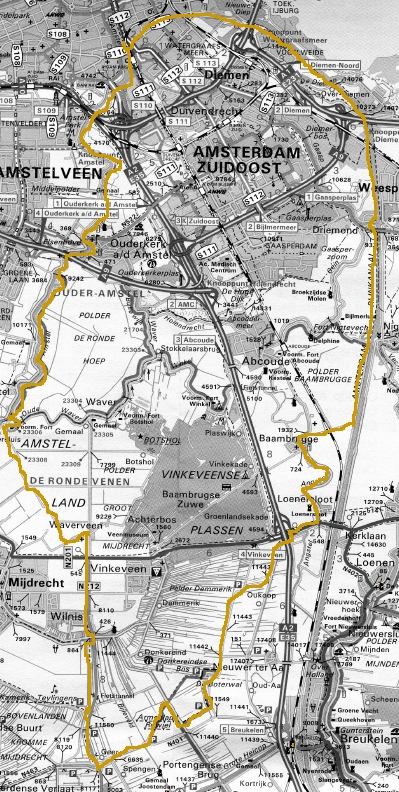
Eerste ritje na 3 weken zonder fiets in Ierland (Wicklow, Sligo, Mayo, Galway). Wennen. Spieren die weer geactiveerd worden. Uit vorm natuurlijk. Volgende keer neem ik wel een fiets mee.
Marcusstraat – Amstel – Ronde Hoep – Amstel – Marcusstraat
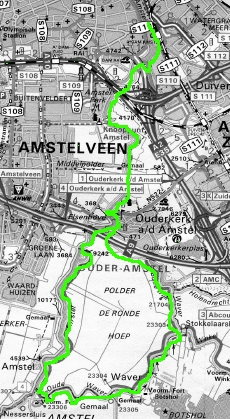
Maandagmiddag, ideaal fietsweer, even boven de 20 graden, zon en soms wat wolken. Erg rustig gereden.
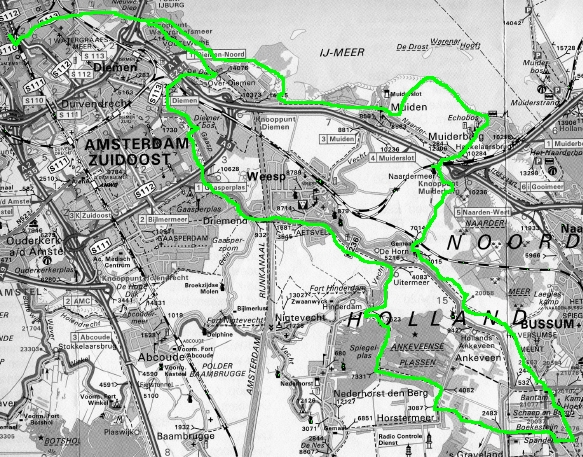
Marcusstraat – Diemerpark – Muiden – Muiderberg – Naardermeer – Vecht – De Horn – Spanderswoud – ‘s Gravenland – Ankeveen – Googpad – Weesp – Gaasp – Diem – kanaal – Marcusstraat
Miezerregen en dan tegen het einde van de middag zon bij westenwind en 19 graden. Mooi zondaglatemiddagrondje.
Marcusstraat – Amstel – Nes – Uithoorn – Westerlandweg – Bovenlanden – Portengense Zuwe – Oukoop – Loenersloot -Baambrugge – Abcoude – Abcouderstraatweg – Ouderkerkerplas – Buitensingel – Amstel – Marcusstraat