19,5 / 0.50

Wegrijden om half drie, en al voor ‘t geval dat een boek meegenomen. Na 3 kilometer concluderen dat je echt geen zin hebt om te rijden, dat de zon te fel is, te druk op de weg, dat het niet voor vandaag zal zijn. (Is het omdat ik gisteren al te lang in de zon heb gereden?). Stukje door het Amsterdamse Bos, een half uurtje lezen, dan weer terug naar huis. De finale van L-B-L nu eens en direct kijken.

cycling,nl | April 29, 2007 | 16:25 | Comments Off on 19,5 / 0.50 |

91 / 3.39

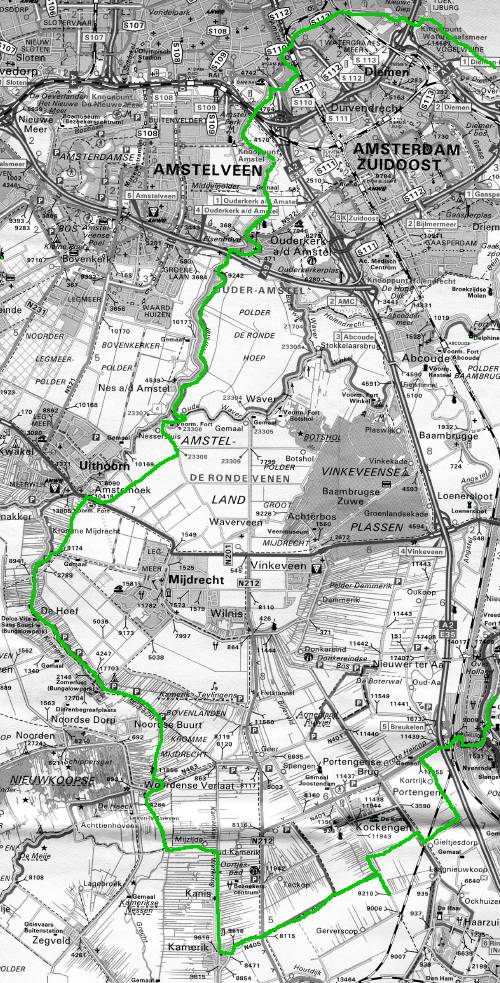
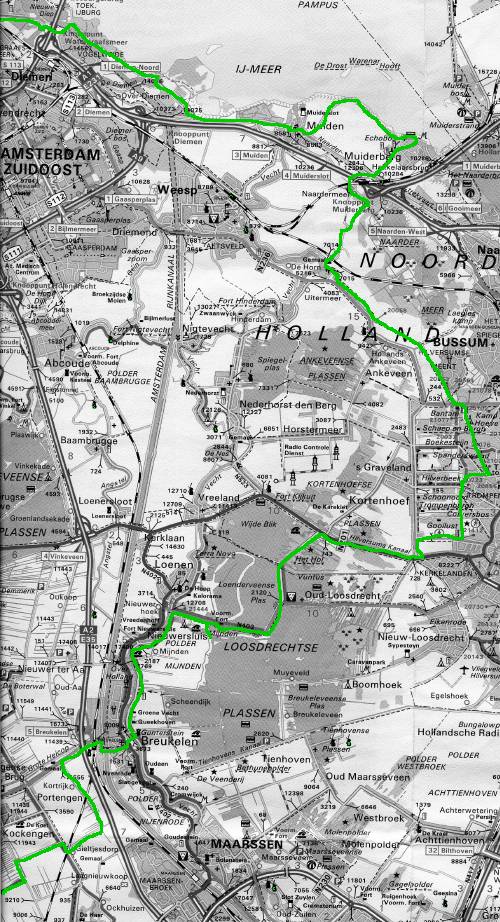
Zaterdagochtend/middag, tijd tot 3 uur. 11.10 – 14.50. Warm zomers weer, felle zon, stevige noordoostenwind, 25 graden (of warmer). Graslandroute, of een route van het bloeiend fluitekruid. Altijd weer verbaasd hoe mooi en rustig het in de strook tussen Kockengen en Oukoop is.

Marcusstraat – Ouderkerk – Ronde Hoep – Veldweg – 2e dwarsweg – 3e zijweg (nooit gereden) – De Hoef – Westerlandweg – Woerdense Verlaat – Grecht – Kanis – Kamerik – Houtdijk – Gerverscop – Haarzuilens – Portengen – Boterwal – Oukoop – Baambrugge – Abcoude – Ouderkerk – Marcusstraat

cycling,nl | April 29, 2007 | 16:21 | Comments Off on 91 / 3.39 |

39 / 1.33

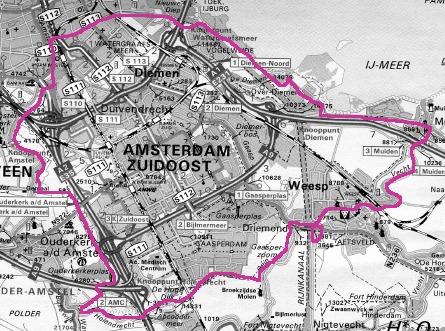
19.20 – 21.00. Schitterend zomerweer (jawel, zelfs “nog steeds”), met een verkoelend (sic) oostenwindje. Toch is het april. Avondrondje. Overal bloeit het fluitekruid uitbundig. Bloesems in de kastanjes en boeren zijn aan het maaien.

Marcusstraat – Ouderkerk – Ronde Hoep – Veldweg – 2e Botsholsedwarsweg – Hoofdweg – Waver – Ouderkerk – Amstel – Marcusstraat

cycling,nl | April 27, 2007 | 22:43 | Comments Off on 39 / 1.33 |

32,7 1.18

Maandag, 17.15 – 18.45. Na-het-werk-rondje. Tweede helft lekker ‘doorgetrapt’. Bewolkt en warm. ZW-wind.

Marcusstraat – Ouderkerk – RH – Ouderkerk – Marcusstraat

cycling,nl | April 24, 2007 | 11:35 | Comments Off on 32,7 1.18 |

Radio 2.0 at Cool Media Hot Talk

Wednesday May 2nd I’ll be speaking at the Radio 2.0-event of the Cool Media Hot Talk Show at De Balie, Amsterdam. Here’s a copy of the text and statements that frame the event:

Questioning the relevance of radio in the internet age

Internet radio or net.radio is now so much part of the daily practice and experience of the internet that it has become alsmost ‘vernacular’, i.e it is almost impossible to perceive it for what it is (audio on-line), and more importantly to see it as something that could be imagined differently. The adoption of the metaphor in such mainstream software packages as iTunes strengthens the adherence to the old and accustomed model of ‘radio’ with a critical mass of internet users. In a sense, most befitting to a show about media hot and cool, it expresses beautifully the idea of McLuhan that “the content of any new medium is an old medium” and that we are thus “moving into the future looking backwards”…

We want to question what the relevance of radio is (as an artistic form and as a medium) in the internet age. Why stick to the notion of ‘radio’ when the ways of handling and experiencing audio in an on-line environment (on the internet) can be so much more versatile? Is not a concept like net.radio, popular in internet-art circles such as the xChange network, already a reactionary move towards the past?

If artists want to explore, continue or reinvigorate the legacy of ‘Radio Art’, why connect this with an internet related practice? Looking back at the history of radio as a medium and the artists involvement it is important to remember that already in the late 1920s Bertold Brecht famously explored the idea of radio as a distributed interactive communication space consciously as an artistic and a social / political tool. Technically also traditional radio has the capacity of transforming every receiver into a transmitter, thus enabling a communication structure pretty similar to the internet. However, it was not technology but regulation and legislation that killed this transformative potential of the radio medium.

Looking at this today two ideas present themselves: First that we need to be aware of this history in order not to make the same mistakes vis-à-vis the internet (allowing it to be closed down by regulation and legislation). Secondly, now that a mass of users has become accustomed to the open media of the internet, would it not be a more productive and interesting idea to take the internet to radio, rather than the other way around? Why not try to open up the traditional radio space in a way similar to the internet, taking the internet-attitude of the youtube generation to radio?

This is also important locally in Amsterdam, where after all this show is physically staged, which had a huge tradition in open media and free radio, but where the radio space has recently been forcefully closed down by new regulation, legislation ánd enforcement!

Statement of Adam Hyde

Radio is not as it seems. It has never been live. It has always been a rather fast method for delivering an archive. It is now time to confront the great pretender and investigate the nuances of the reigning principle of radio – delay.

Radio is the best archival media there is. Copy your digital files into sound, broadcast them into space, – they will exist forever. Retreiving them does require some work still as the speed of light remains a barrier for indexing and retrieving radio waves, but given time science cures even the most anxious archivists worries. Archive now, let science take care of the rest later.

But is radio really an archival medium? Or is it live? Are radio waves themselves a guarantee of liveness or do they simply deliver archival material really quickly? What does ‘live’ actually mean and does it even matter? Further, what role does the internet have in this debate, is it possible to say that a downloaded mp3 file is live radio?

Adam will talk about various projects he has worked on including r a d i o q u a l i a s Radio Astronomy (http://www.radio-astronomy.net) and Wifio ( by Simpel – http://www.simpel.cc). Radio Astronomy is a live online radio station broadcasting sounds from space. Wifio is a radio tuner that allows you to listen to the internet. It captures data traffic on open wireless connections and translates emails, webpages, voip and irc to speech. With wifio you too can listen to the internet in your neighbourhood….

Adam Hyde (.nz), is an artist, educator, tactical media practitioner, streaming media consultant, and sometime curator. He is involved in numerous projects that fuse (sound-) art, radio, and the internet, a.o. r a d i o q u a l i a, Radio Astronomy, and Polar Radio. http://www.radioqualia.net/, http://www.xs4all.nl/~adam/.

Statement of Arie Altena

What is radio? Maybe the only way of explaining what radio nowadays signifies, is by taking radio as a sort of mock-latin for “I am beaming”, or “I am sending”. In the West we are getting quite far removed from ‘radio’ as a specific way of transmitting signals through the air, or a format where someone in a studio makes a programme for us to listen to. The word radio is grifted upon many of our media-uses. We can even conceptualize of every carrier of an iPod or laptop with an open internet-connection and iTunes (or another sound-programme running) as radio-stations, stations that others can tune into. Radio then is – like the commercial channels – an operation upon an archive (selected play lists from a huge database of sound files), possibly remixed.

I like this re-use of the word radio – taking all those stations streaming sound as radio. Most of that is utterly uninteresting to most (even when I sit down in places like De Balie or V2_ and proceed to check on the shared iTunes-‘radio stations’ in my immediate environment, I hardly ever see anything I’d like to listen to, and I imagine the same will be true of people checking on my archive.) If we have something like radio, it is radically personalized (more personalized than Last.fm).

This is the perspective of the listener who in some sense, involuntary, becomes a radio station himself, by carrying around networked equipment. It’s a technology-effect, it has not much to do with a (conscious) decision to start sending.

What then does the same technological change signify for someone who takes the conscious decision to send? To become a disembodied voice? To represent – what?

I am always a bit disappointed when alternative radio – say artists taking up radio – uses the formats of classic, mainstream radio from the twentieth century, from the high times of ‘radio stations’, with talk shows, jingles, announcements, phone-ins, and a deejay who talks in between records that he spins. Of course, that was a strong genre.

A note: all the radio programmes that I have fond memories of were held together by a distinctive human voice (like that of Michiel de Ruyter).

http://www.coolmediahottalk.net

en,free publicity,research,ubiscribe | April 24, 2007 | 11:28 | Comments Off on Radio 2.0 at Cool Media Hot Talk |

Making electronic thingies….

META is a bunch of artists, techies and other suspects in Amsterdam: http://www.makingelectronicthingiesinamsterdam.nl. They organize workshops in which they (and you), well, the name of the group says it all: make electronic thingies.

en,free publicity,software | April 24, 2007 | 11:15 | Comments Off on Making electronic thingies…. |

Comment problems fixed

If y’r not reading the comments, you might ‘ve missed that the comment-problems are fixed. (Thanks Peet!)

blogging,en | April 22, 2007 | 21:31 | Comments Off on Comment problems fixed |

102 / 3.58

Zondag, de wind gedraaid naar het zuidwesten klimt de temperatuur tot voorbij de 20 graden. Opnieuw fantastisch fietsweer. 14.15 – 18.30. Zon. Rondje Zeevang en Beemster. Hmm, toch niet mijn favoriete terrein, al is de Beemster mooi, en zeker het stukje langs het Noord-Hollands kanaal van Spijkerboor naar Purmerend. Ik mis bos of duinen voor de afwisseling. En Volendam is een hel. Aan het begin denk ik via de Oranjesluizen te rijden, maar da’s geen goed idee, tenzij je lang wilt wachten. Al is het een prachtig punt. De fietsrouteknooppunten zijn toch een uitkomst in een gebied dat je wat slechter kent.

Marcusstraat – Ringdijk – Nesciobrug – Oranjesluizen – Schellingwouderbrug – Zuiderwoude – Monnickendam – Katwoude – Volendam – Edam – Schardam – Oudendijk – Kathoek / Averhorn – Schermerhorn – De Rijp – Spijkerboor – Purmerend – Purmerland – Landsmeer – Amsterdam Noord – pont – Marcusstraat

cycling,en | April 22, 2007 | 21:28 | Comments Off on 102 / 3.58 |

100 / 4.15

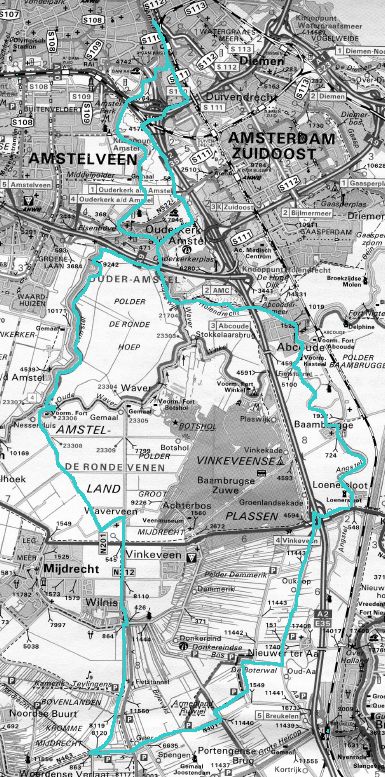
Zaterdagmiddag, 14.30 – 19.00. Tja, nog steeds van dat fantastische weer, felle zon, beetje frisse oostenwind, bloesems & bloeiende bloemen, 16 graden. Voor een groot deel het rondje Heuvelrug gevolgd, waardoor ik net een andere route over de onverharde fietspaadjes maakte – o.a. met een blokje kasteel Groeneveld.

Marcusstraat – Ringdijk – Nesciobrug – Diemerpark – elektriciteitscentrale – kanaal – Weesp – Googpad – ‘s Graveland – Spanderswoud – Crailose brug – St. Janskerkhof – kasteel Groeneveld – Bosbad – Pijnenburg – Lage Vuursche – Hollandsche Rading – Tienhoven – Breukelen – Loenen – Loenersloot – Baambrugge – Abcoude – Ouderkerk – Amstel – Marcusstraat
cycling,en | April 22, 2007 | 21:20 | Comments Off on 100 / 4.15 |

Comment problems….

http://improvisingguitar.blogspot.com/ brings to my attention that he cannot leave comments here. I’ve tried it myself, not even I can leave comments… Apparently there’s something wrong. Must’ve happened since the blog was moved to another server. We’ll look into it.

blogging,en,software | April 21, 2007 | 19:55 | Comments (2) |
« Previous PageNext Page »
This work is licensed under a Creative Commons Attribution-NonCommercial-ShareAlike 2.5 License. | Arie Altena